Hollywood Won't Stop Making Sequels You Didn't Ask For — Here's the Ugly Reason Why
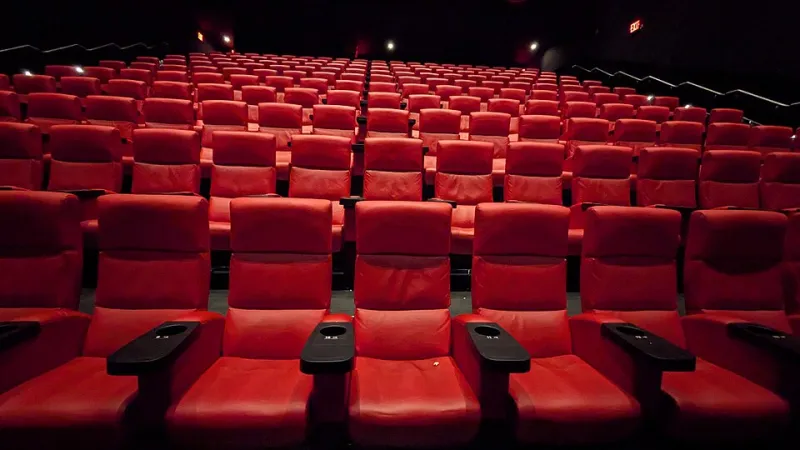
Photo: Eden, Janine and Jim from New York City, CC BY 2.0, via Wikimedia Commons
Somewhere between Indiana Jones and the Dial of Destiny bombing at the box office and The Flash becoming one of the most expensive flops in Warner Bros. history, you'd think someone in Hollywood would have called a meeting. Pulled out a whiteboard. Written in big red letters: stop. But the sequels kept coming. The extended universes kept expanding. The reboots kept getting announced with breathless press releases that somehow always promised "a fresh take on a beloved classic."
Audiences are fatigued. Critics have been writing the franchise eulogy for years. And yet here we are — staring down release calendars packed with numbered entries, spinoffs of spinoffs, and cinematic universes that have quietly stopped making any cultural sense. So what exactly is going on?
The Math That Makes Bad Sequels Look Like Smart Business
Let's start with the uncomfortable truth: from a purely financial standpoint, a mediocre sequel is often a better investment than a great original film. That sounds backwards, but follow the money.
When a studio greenlights a sequel to an established property, it already has a marketing shorthand. The title does half the work. Audiences who loved the original are at least curious, which translates to opening weekend numbers that justify the budget before a single review drops. A brand-new IP, no matter how brilliant the concept, has to build that awareness from scratch — and building awareness costs money, sometimes as much as the production itself.
The result is a system where originality gets financially penalized before it even gets a fair shot. Studios aren't stupid — they're risk-averse. And in an industry where a single $200 million flop can tank a studio's quarterly earnings and get executives fired, "familiar" feels a whole lot safer than "innovative."
The Executive Problem Nobody Talks About
Here's a dynamic that rarely makes it into entertainment journalism: the people greenlighting these sequels aren't usually the same people who'll be around to deal with the fallout. Hollywood executive turnover is brutal. The average tenure for a studio chief is somewhere between three and five years. That means the person signing off on Franchise Movie Part Seven today is often betting on a payday that lands before they've moved on to their next gig.
This creates a weird incentive loop. Greenlight the safe sequel, collect the opening weekend win, point to the global box office gross (which always sounds more impressive before you subtract marketing costs and theater splits), and move on. The long-term damage to a franchise's cultural credibility? That's next guy's problem.
It's not malice. It's just a system optimized for short-term survival that keeps accidentally producing long-term creative stagnation.
The Merchandise Machine Hiding Behind the Curtain
Here's the part that really explains why certain franchises refuse to die even when audiences have clearly walked away: the movie isn't always the product. Sometimes the movie is just an extremely expensive commercial for everything else.
Think about the ecosystem that surrounds a major franchise release. Theme park rides. Streaming spinoffs. Action figures. Branded clothing collabs. Video games. The theatrical release is essentially a two-hour advertisement that audiences pay to watch, and it refreshes the cultural relevance of every other revenue stream attached to the IP.
For a franchise like the MCU or the extended Star Wars universe, even a critically panned film can be financially justified if it moves enough merchandise and drives enough Disney+ subscriptions. The box office number is almost secondary. This is why studios sometimes seem baffling indifferent to the fact that audiences are checking out — because the audience that buys the ticket is only one of several audiences they're actually selling to.
So When Did Audiences Actually Start Pushing Back?
The signals have been there for a while, but they got harder to ignore around 2023. The MCU's Phase Four and Five releases were met with diminishing enthusiasm both critically and commercially. Ant-Man and the Wasp: Quantumania opened big and collapsed fast. Indiana Jones 5 couldn't even find its footing domestically. Meanwhile, genuinely original films — Everything Everywhere All at Once, Oppenheimer, The Holdovers — were generating the kind of passionate audience response that franchise films hadn't seen in years.
The message felt clear: people aren't tired of movies. They're tired of these movies. They're tired of being handed a story that requires them to have watched seventeen other things first, tired of emotional stakes that get reversed in the next installment anyway, tired of watching studios mistake familiarity for quality.
Social media amplified all of it. The days when a studio could rely on opening weekend enthusiasm to outpace negative word of mouth are largely over. A bad movie gets dissected on TikTok and Reddit within hours of the first screenings, and those takes spread faster than any marketing campaign can counteract.
The Thing That Might Actually Break the Cycle
If financial incentives created the sequel machine, financial consequences might be the only thing that dismantles it. And those consequences are starting to arrive.
The theatrical model is under genuine pressure. Streaming has given audiences an easy opt-out — why pay $18 for a movie you're lukewarm about when you can wait six weeks and watch it from your couch? That patience is killing the mid-range box office performance that used to make sequels reliable bets. When even the most heavily marketed franchise film can't count on a massive domestic opening, the math starts to shift.
There's also a generational factor worth watching. Younger audiences — the ones studios desperately need to build the next generation of franchise loyalty — are showing less attachment to legacy IP than their millennial predecessors did. Gen Z grew up with infinite content options. They're less likely to feel obligated to a franchise out of nostalgia, and more likely to just... scroll past it.
Some studios are reading those signals. A24 has built an entire brand identity around the idea that original, weird, risk-taking films can find massive audiences when they're made well. Everything Everywhere All at Once wasn't just a critical darling — it was a genuine box office story, earned through word of mouth and genuine emotional resonance rather than IP recognition.
The Uncomfortable Middle Ground
None of this means sequels are inherently bad, or that franchises can't produce genuinely great work. Top Gun: Maverick was a sequel nobody asked for that turned out to be one of the best theatrical experiences in years precisely because it understood what made the original matter emotionally. Dune: Part Two succeeded because it was the second half of a story that genuinely needed to be told in two parts.
The problem isn't sequels. The problem is sequels as a default setting — as the path of least resistance, the safe harbor that studios retreat to whenever original ideas feel too risky. That's the cycle worth breaking.
Hollywood has always been a place where everything, everywhere, all at once is competing for your attention and your dollars. The studios that figure out how to make that competition work for original storytelling — instead of against it — are the ones that'll still have audiences showing up a decade from now. The ones that keep doubling down on franchise fatigue?
Well. There's always merchandise.