Your Childhood Is Behind a Paywall Now: The Quiet Rise of the Nostalgia Premium
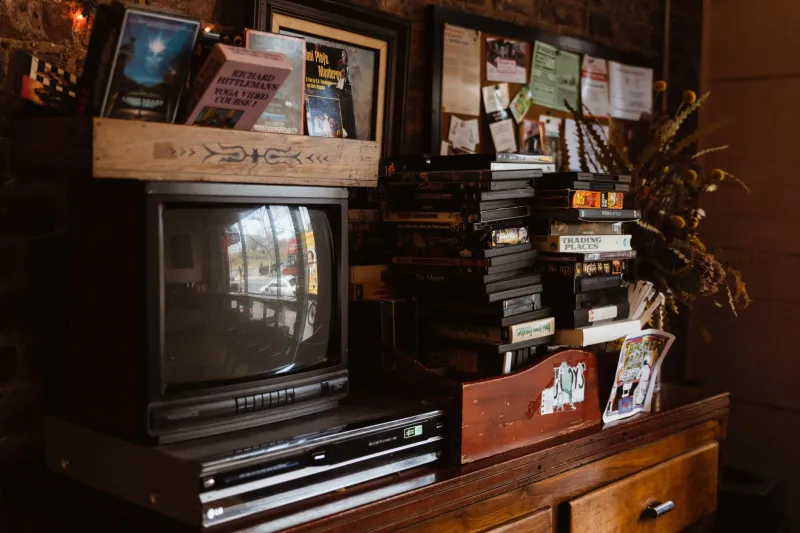
Remember when watching your favorite old show was basically free? You'd flip on the TV after school, land on some channel showing reruns of Friends or Seinfeld, and that was that. Nobody asked for your credit card. Nobody tried to upsell you to a 'Premium Plus Ultra' tier. The reruns were just... there.
Fast forward to now, and your childhood has a price tag. And honestly? It's higher than what the new stuff costs.
The Upsell You Didn't See Coming
Here's the move that's become standard across the streaming industry: a classic show lands on a platform, everyone gets excited, and then — quietly — it shows up with an asterisk. Want it ad-free? Upgrade. Want it in HD instead of the soft, compressed version? Upgrade. Want the whole series instead of just season one? You already know the answer.
It's the same playbook airlines invented. The base fare exists to get you in the door; the real revenue comes from the fees stacked on top. Except in this case, the 'extra legroom' is The Office.
And the numbers aren't subtle. Basic ad-supported tiers on major US platforms run anywhere from $6.99 to $9.99 a month. The ad-free, full-catalog, higher-resolution tiers? You're looking at $15.99 to $22.99. The gap between 'you can technically watch this' and 'you can actually watch this the way you want' is where the nostalgia premium lives.
Why Old Shows Cost More Than New Ones
It seems backwards, right? You'd think fresh, exclusive content would command the top dollar. But media economists have a term for what's actually happening: legacy content is the most reliable inventory a platform owns.
Think about it. A brand-new show is a gamble. Nobody knows if it'll land. But Friends? The Fresh Prince of Bel-Air? Gilmore Girls? Those shows have decades of proven demand. They're comfort food. People rewatch them the way they reheat leftovers — automatically, without thinking, over and over.
That reliability is exactly what makes them valuable, and it's why licensing fees for classic catalogs have gotten absurd. When a beloved series changes streaming homes, the bidding wars make headlines. Platforms don't pay those fees out of sentimentality. They pay them because they know a certain segment of viewers — usually the ones with the most disposable income — will pay whatever it takes to keep their comfort shows within reach.
In other words: the nostalgia isn't a bug in the pricing model. It's the whole business.
The Licensing Shell Game
Here's the part that really stings. Even if you pay up, your old favorites might not stay put.
Streaming rights to legacy shows are leased, not owned, by most platforms. That means the sitcom you paid a premium tier to watch can vanish overnight and reappear on a competitor — where you'll need their premium tier. Ask anyone who rode the The Office from Netflix to Peacock, or followed Friends to HBO Max. The show didn't move. Your wallet did.
This constant shuffling isn't an accident. It's a strategy. Platforms use beloved legacy titles as bait, knowing that loyal fans will follow — and once they've subscribed, a healthy percentage will just... stay. Churn data consistently shows that familiarity, not novelty, is what keeps subscribers from canceling. Your attachment to a show that ended twenty years ago is the stickiest asset in the entire streaming economy.
The Nickel-and-Dime Breakdown
Let's do some quick math on what a 'nostalgia stack' actually costs in 2024. Say your comfort shows are scattered across four platforms — a pretty typical situation for anyone over 30. At an average of $12 to $18 per service, you're staring down $50 to $70 a month to watch television that originally aired for free over the public airwaves.
Compare that to what a fresh subscription costs. Most platforms will happily sell you access to their brand-new, heavily marketed originals at the base tier. The classics, meanwhile, sit behind the pricier doors. It's the entertainment equivalent of a museum charging extra to see the old paintings while the new installations are included with admission.
How to Beat the Tax
You don't have to pay the nostalgia premium. A few strategies that actually work:
Rotate, don't stack. Most legacy catalogs rotate between platforms on predictable cycles. Subscribe to one service at a time, binge what you came for, cancel, and move on. Streaming platforms hate this trick precisely because it works.
Buy the box set — once. A full-series physical release of a classic show typically costs less than two years of a premium streaming tier. And unlike your subscription, it can't be yanked off a server at 3 a.m. because a licensing deal expired.
Check the free tier first. Ad-supported options and library services like Kanopy (free through many US public libraries) carry a surprising amount of legacy content. It's not glamorous, but neither was watching reruns on a tube TV, and you survived that.
Wait out the exclusivity window. Platform exclusivity deals on older content tend to be shorter than the ones for new releases. The show everyone's paying extra for this year is often on a cheaper service two years from now.
The Bottom Line
Streaming was supposed to make entertainment cheaper and easier than cable. Instead, it's rebuilt cable's worst habit — charging you for channels you don't want to get the one you do — and added a twist: the shows you love most cost the most to keep loving.
Your childhood memories are free. Accessing them on a screen, apparently, is a luxury good. Plan accordingly.