You're Not Buying a Ticket Anymore — You're Buying a Membership to the Only Thing Streaming Can't Copy
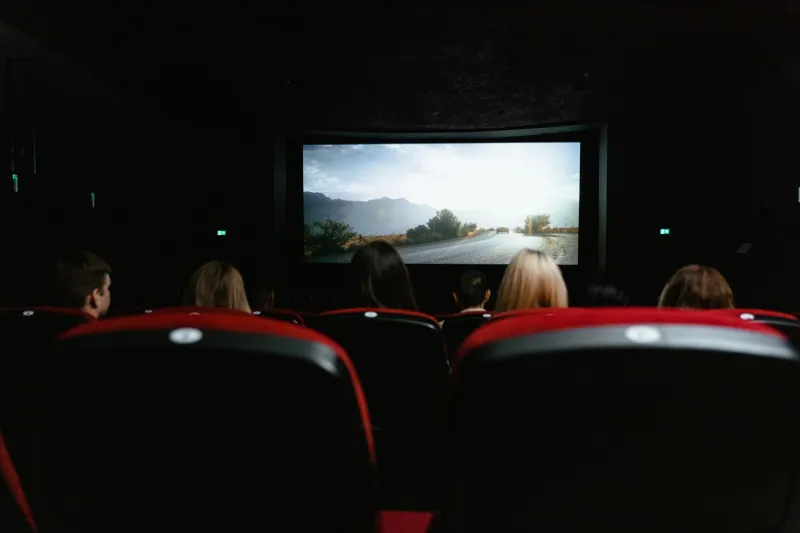
Remember when a movie premiere was the event? Red carpet, midnight showing, the whole ritual? Those nights are basically gone, and it's not because people stopped loving movies. It's because a movie premiere competes with your couch, and your couch has a 65-inch screen, a soundbar, and a subscription that costs less than a single parking pass.
So the industry did what it always does when one revenue stream dries up: it found another one. And this time, the new gold rush has a merch table.
The Box Office Got Soft, So the Stage Got Expensive
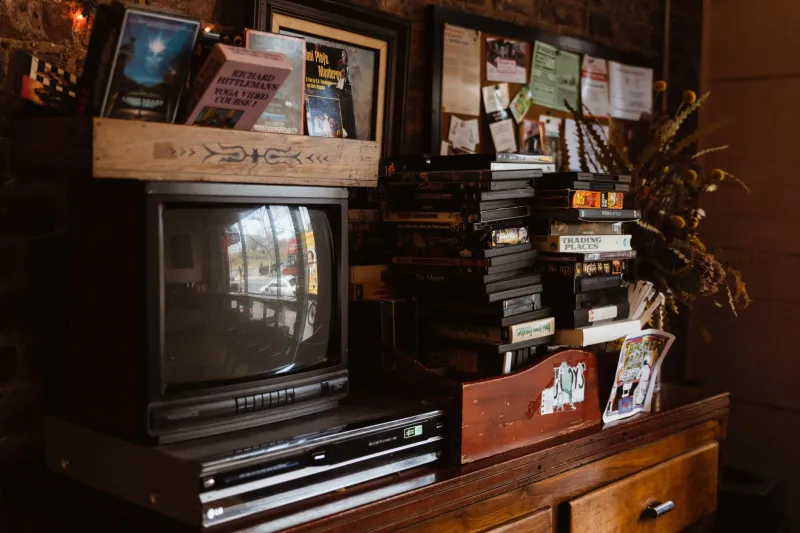
Here's the uncomfortable math. A studio releases a film, it streams for a month, maybe it trends for a weekend, and then it dissolves into the content soup alongside everything else. Subscription fatigue is real — people are cycling through services like they're rotating their streaming passwords, cancelling one to grab another. The recurring revenue everyone promised would save entertainment? It's leaky.
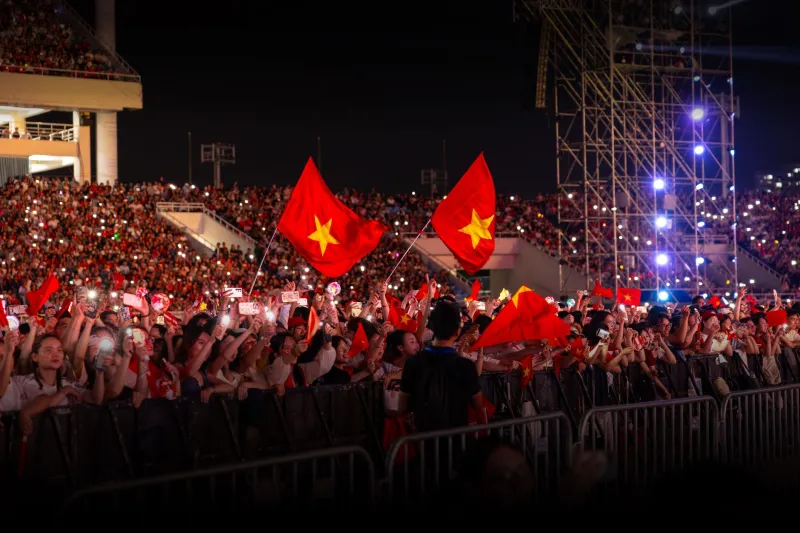
Live events don't leak. You can't torrent a Taylor Swift show. You can't wait for it to hit a platform. The experience is the product, and it's the one thing the infinite-scroll economy can't replicate — presence. Being in a room with 60,000 other people losing their minds at the same time. No algorithm can serve you that.
That's why the smartest operators in entertainment stopped thinking of concerts, conventions, and immersive pop-ups as marketing for the "real" product. The live event IS the real product now. Everything else is the trailer.
Pricing Like It's a Luxury Good, Because It Kind of Is
Let's talk about the elephant in the arena: dynamic pricing. When Ticketmaster's surge model made national news during the Eras Tour ticket fiasco, it felt like a scandal. In practice, it was just the airline model wearing a band tee. Seats priced like stocks, fluctuating with demand in real time.
And then there's the VIP stack. General admission. Preferred. Premium. "VIP Experience." Soundcheck package. The tier that includes a signed poster and early entry and costs more than a used car payment. Every tour now builds a ladder of exclusivity, and the rungs keep getting further apart.
The message, whether anyone intends it or not, is that live entertainment has quietly repositioned itself as a luxury purchase. Nobody blinks at $200 for a decent seat anymore — that's just the baseline for a major act in a major market. Add parking, fees, and a shirt you'll wear twice, and you've funded a weekend getaway's worth of spending in one night.
It's Not Just Musicians Anymore
The interesting part is who else is chasing this. Marvel actors showing up at fan conventions for staged photo ops and panel tickets. Studios building permanent immersive experiences — themed pop-ups, interactive exhibits, walk-through universes where you pay admission to literally stand inside the IP. Residencies in Vegas that turn a pop star into a fixed attraction, a guaranteed draw with none of the tour logistics.
Hollywood figured out that fans don't just want to consume a story anymore. They want to visit it. They want a receipt that proves they were part of something. A streaming subscription proves nothing — it's invisible, ambient, identical for everyone. A ticket stub, a wristband, a photo in front of a themed backdrop? That's a collectible. That's identity.
And identity is the scarcest commodity in entertainment right now. Content is infinite. Belonging is not.
Who Is This Actually For?
Here's where it gets a little grim. When the floor price for a major live event rivals a weekly grocery run, you have to ask who the audience is supposed to be. The answer, increasingly: whoever can afford it, plus whoever's willing to go into debt for it.
There's a whole generation of fans financing tickets on payment plans — Buy Now, Pay Later for a concert. That's not a niche anymore; that's a documented behavior. The industry will tell you this is the market pricing scarce experiences correctly. Critics will tell you it's entertainment quietly abandoning the middle class and hoping nobody writes the obituary.
Both things can be true. The events are genuinely spectacular — production budgets for arena tours now rival mid-tier films, and you can feel every dollar of it. But a spectacle priced like a luxury good stops being a shared cultural moment and starts being a membership club with really good lighting.
The Experience Economy Has No Churn Rate
The reason this gold rush won't slow down anytime soon is structural. Subscriptions churn. Box offices are hit-driven. But a sold-out show is sold out — the revenue is locked before the first note. Conventions pre-sell passes. Residencies book out months in advance. In an industry allergic to uncertainty, live events are the closest thing to a guaranteed return.
So expect more of it. More film franchises launching with a live component. More actors doing convention circuits. More "immersive experiences" where the ticket is the point and the photo op is the souvenir. The premiere didn't die — it just moved to a stadium, tripled in price, and started charging extra for early entry.
The only question left is how long the fans who built these careers can keep buying in before the room gets too expensive to fill. Because a gold rush, by definition, eventually runs out of gold — and unlike a stream, you can't pause a crowd walking out.