We Built the Stars, We Burned Them Down — And We'll Do It Again Tomorrow
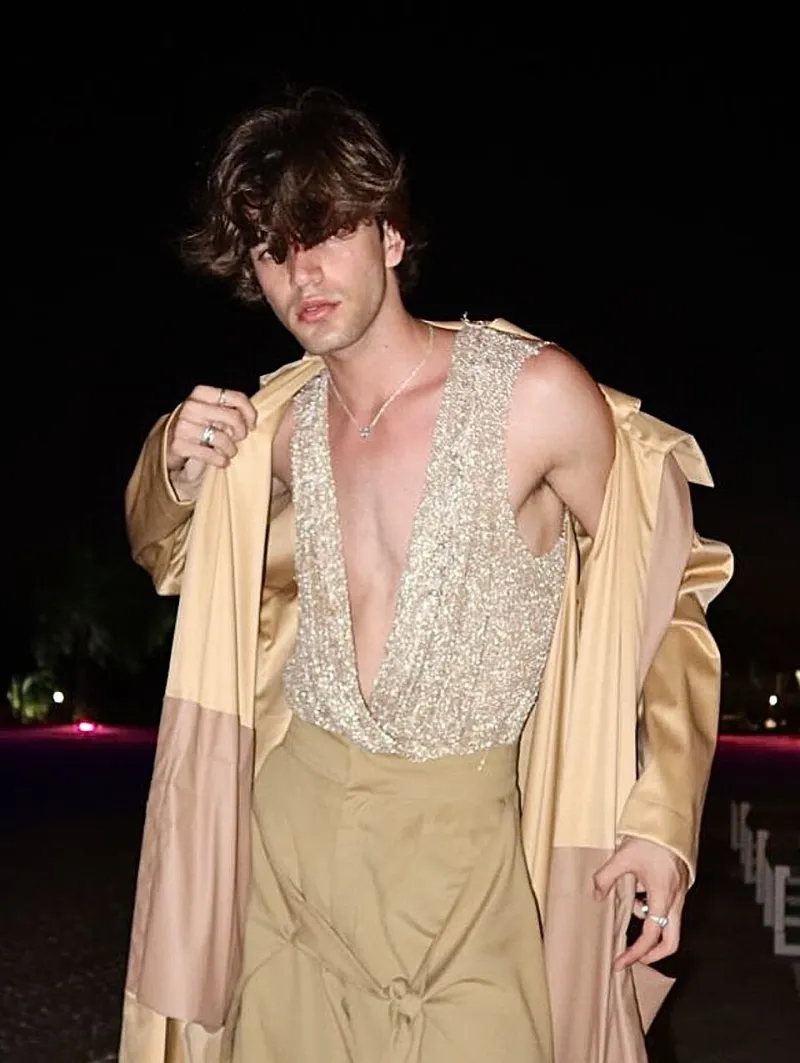
Photo: Manukrawl, CC0, via Wikimedia Commons
There's a specific kind of whiplash that comes with being online in 2024. Someone blows up overnight — a video, a moment, a vibe — and suddenly they're everywhere. Morning shows, brand deals, a Netflix special in the pipeline. Then, three weeks later, the same crowd that elevated them is picking through the wreckage of their reputation like it's a yard sale. Rinse, repeat, refresh.
We keep blaming the algorithm. And sure, the algorithm is doing something — but let's be honest with ourselves for a second. The algorithm didn't build these people up and tear them down. We did. Every share, every stitch, every "wait, who IS this person" comment thread. That's us. That's always been us.
The Old Machine vs. The New Mob
Not that long ago, becoming famous required buy-in from a small number of very powerful gatekeepers. A record label had to sign you. A casting director had to notice you. A magazine editor had to decide your face was worth a cover. It was slow, it was expensive, and it was deeply unfair — but it was also, weirdly, protective. The machinery that built stars also had a financial interest in keeping them standing.
That's gone now. Or at least, it's been radically diluted.
Today, a 22-year-old in Tulsa can rack up 4 million followers in six months by being funny, or relatable, or just present at the right cultural moment. No label. No agent. No publicist coaching them on what not to say in interviews. And that's genuinely exciting — the democratization of visibility is real, and it's given platforms to voices that the old system would have ignored completely.
But here's the part nobody wants to say out loud: the same crowd that discovers someone new also gets to decide when they're done with them. And that decision can come fast, and it can come hard, and there's no studio executive making calls to soften the landing.
The Parasocial Trap
A big piece of this is the parasocial relationship problem — and it runs deeper than most people realize.
When you follow someone on TikTok or Instagram, you're not just watching content. You're building a relationship in your head. You learn their opinions, their sense of humor, their apartment layout, their coffee order. You start to feel like you know them. And when you feel like you know someone, you feel entitled to have opinions about their choices.
This isn't new — fans have always projected onto celebrities. But the scale and the intimacy are different now. Old-school celebrities existed at a distance. They gave interviews in controlled environments and released music on a label's schedule. Now, a creator might post six times a day across three platforms, respond to comments, go live to talk about their feelings at 11pm. The parasocial bond gets tighter and tighter.
And when something breaks that bond — a bad take, a canceled collab, a beef that plays out in real time — the fallout feels personal. Like a betrayal. People don't just unfollow. They campaign.
Speed Is the New Standard
What's genuinely new is the velocity of all of it. The rise-and-fall cycle that used to take years — sometimes a whole career arc — now compresses into months, weeks, sometimes days.
Take the pattern we've seen play out repeatedly: someone goes viral, gets a major brand deal, does a podcast tour, maybe lands a collab with an established name. At peak visibility, some old post surfaces, or they say something clumsy in an interview, or they get on the wrong side of a niche community that has outsized online influence. The comment sections turn. The stitches go up. The "I always said there was something off about them" crowd arrives.
It doesn't even have to be something genuinely bad. Sometimes it's just overexposure. Sometimes the internet just gets bored and needs somewhere to put that restless energy.
Micro-Fame and the Long Tail of Attention
One of the more interesting side effects of all this is the rise of what you might call sustainable micro-fame. There are creators with a few hundred thousand followers — not viral, not household names — who have built remarkably stable, loyal audiences by staying in their lane and not chasing the algorithm's approval every single day.
These people are, in some ways, more famous in the ways that matter. Their audience actually cares. The relationship is more reciprocal. They're not as exposed to the boom-bust cycle because they were never trying to win the whole internet at once.
It's a quieter kind of celebrity. And in a media landscape that runs on everything, everywhere, all at once, quiet is starting to look like a strategy.
So What Do We Do With This?
Honestly? Probably nothing dramatic changes. The cycle will keep cycling. New people will go viral tomorrow, and some of them will be built into cultural moments and then dismantled just as quickly. That's the deal now.
But maybe the more useful shift is in how we think about our own role in it. We're not passive consumers watching the algorithm do its thing. We're participants. Every time we amplify someone, we're making a choice. Every time we pile on, we're making a choice.
The machine didn't kill the star. We handed the machine the controls and then acted surprised when things got messy.
Fame has always been a projection. We just got a lot better at projecting — and a lot faster at changing our minds about what we want to see.