The Multiplex Isn't a Movie Theater Anymore — It's a Mall That Happens to Show Films

Photo by Photo by Raymond Yeung on Unsplash on Unsplash
Walk into a modern AMC or Regal these days and try to remember what you came for. There's a full bar by the entrance. A wall of arcade games blinking near the concession stand. Maybe a recliner with a butler button, maybe a private screening room you can rent for your kid's birthday. Somewhere in the back, technically, there are movies playing.
The movie theater didn't die. It just stopped being a movie theater.
The Ticket Was Never the Business
Here's the uncomfortable truth the industry has known for decades: studios take roughly half of every ticket sale, especially during a film's opening weeks when the crowds actually show up. The theater's cut of your $15 admission might be $5, maybe less. The popcorn, though? That tub costs the theater pennies and sells for the price of an entrée. Concessions have historically accounted for the majority of a cinema's actual profit.
Which means the movie was always kind of the bait. It just used to be good bait.
Now, with streaming windows shrinking and audiences trained to wait four to eight weeks for a film to hit their living room, the bait is getting weaker. Ticket revenue alone can't cover rent on a 16-screen complex with a parking lot the size of a Walmart's. So theaters have branched out — hard.
Every Square Foot Needs a Side Hustle
The modern multiplex is a small business portfolio wearing a marquee. Alcohol sales are the big one: a cocktail that costs $14 to pour at a theater bar turns a bigger margin than almost anything on the popcorn menu. Arcades, once a nostalgic afterthought, are now revenue drivers that earn money even when nothing worth watching is playing.
Then there are the subscriptions. AMC Stubs A-List, Regal Unlimited — these programs ask you to pay a flat monthly fee for multiple visits, converting the occasional moviegoer into a predictable revenue stream. It's the gym membership model applied to cinema: the theater wins whether you show up or not.
And if you'd rather not share the room with strangers at all? Rent the whole screen. Private watch parties, corporate events, gaming tournaments projected on a 40-foot screen — the theater as event venue, priced by the hour.
So What Are We Actually Paying For?
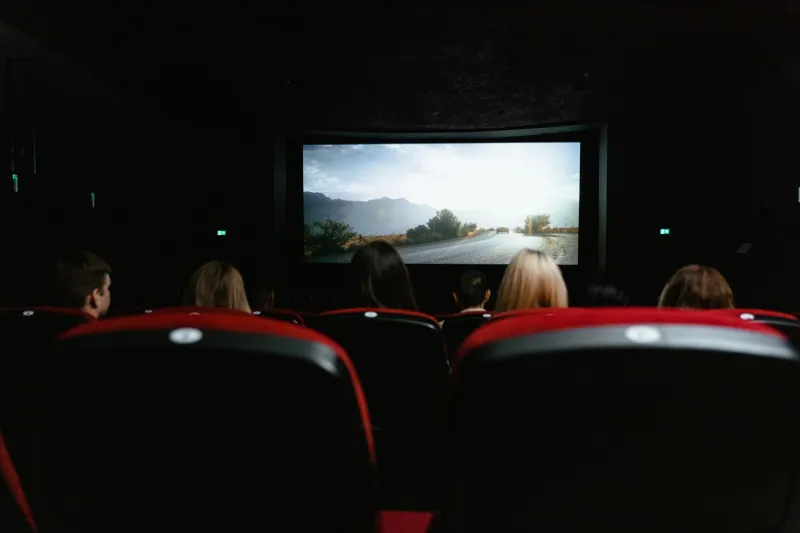
Here's where it gets a little philosophical. If the ticket is a loss leader and the profits come from beer and arcade tokens, what is the theater selling? The experience, supposedly — the big screen, the rumbling sound system, the communal gasp of a crowd reacting at the same moment. That's the pitch, anyway.
And honestly, it's not a bad pitch. Streaming gave us infinite content and a collective attention span of a goldfish. What it can't give you is the event of it all: the trailers you can't skip, the stranger who laughs too loud, the screen so big you can't look at your phone without missing something.
The problem is that the experience now comes bundled with a $9 soda and a 25-minute pre-show of ads. The theater isn't selling magic anymore; it's selling a subscription to magic, with upsells at every turn.
Can It Last?
There's a real question about whether this model holds. Box office receipts have yet to return to pre-2020 levels, and the films that do draw crowds are increasingly the same handful of superhero sequels and horror franchises — the kind of predictable, four-quadrant event movies that justify a trip out of the house. Everything else is background noise for the concession stand.
Some chains are leaning into it. Dine-in concepts, luxury recliners, membership tiers, loyalty apps that track every purchase. The theater of 2030 might look less like the neon palace of the 1980s and more like a boutique bar that occasionally plays films.
Is that a tragedy? Depends on who you ask. For the person who just wants to see a movie without a second mortgage on snacks, the modern multiplex can feel like a scam with surround sound. For the industry, it's the only version of the business that pencils out.
The movies didn't kill the movie theater. The movies just stopped being enough — and the theater, ever the survivor, found something else to sell you on the way in.